


The UN General has proclaimed 23 September as the International Day of Sign Languages in order to raise awareness of the importance of sign language in the full realization of the human rights of people who are deaf. Sign languages convey meaning visually, using fingerspelling systems, known as manual alphabets. These were invented so that words could be transferred from…
The 8th of September was proclaimed International Literacy Day by the UNESCO in 1966 to remind the international community of the importance of literacy for individuals, communities and societies as a matter of dignity and human rights, and the need for intensified efforts towards more literate societies. International Literacy Day 2020 will focus on ‘Literacy teaching and learning in the…
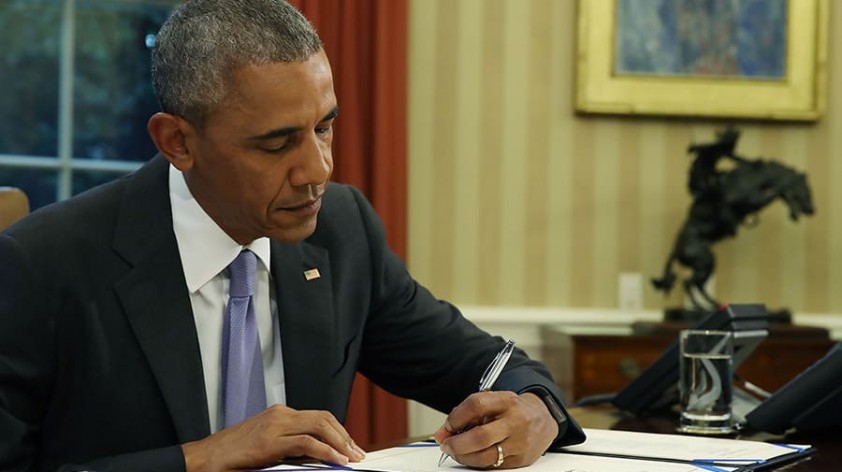
Did you know that the notion of left-handedness as being “wrong” is embedded in our language already? For example, the adjective ‘sinister’ comes from the Latin ‘sinestra’ or ‘left hand’. Wonder what it’s like to see the world from a “left-handed” point of view? US Presidents Ronald Reagan, Bill Clinton and Barack Obama were/are left-handed. Or there are artists Leonardo Da…
From ‘covidiots’ to ‘quarantine and chill’, the pandemic has led to many terms that help people laugh and commiserate. Throughout history, challenging circumstances have given rise to new ways of expressing those challenges. George Eliot, the 19th Century writer who was famously frustrated by rigid gender and lifestyle norms, is credited with the first recorded use of the word ‘frustrating’. More…
If you find good things without looking for them, serendipity – unexpected good luck – brought them to you. The first noted use of the word ‘serendipity’ in the English language was by Horace Walpole on 28 January 1754. This rare word thus does not come from Latin or Greek, but rather was coined by this British nobleman from an…
This is a great question, but it is such a hard question that in 1866 the Linguistic Society of Paris got sick of people writing about it with nothing more than guesses, and banned articles on the topic. Fortunately, scientific progress in the past 150 years has changed this situation. We don’t have all the answers, but we can make…
Is English a “weird” language? Many of us might feel this is true when we’re trying to explain its complex spelling rules, or the meanings of idioms such as “it’s raining cats and dogs” to someone who is learning it. Teaching or learning any language is, however, never an easy task. But what is a “weird” language anyway? As linguists,…
Let’s celebrate European Day of Languages together again! Throughout Europe, 800 million Europeans are represented in the Council of Europe’s 47 member states. All are encouraged to discover more languages at any age, as part of or alongside their studies. The Council of Europe is the continent’s leading human rights organisation and is convinced that linguistic diversity is a tool…
As English takes over the world, it’s splintering and changing – and soon, we may not recognise it at all This article is excerpted from the new book, “The Language Wars: A History of Proper English” from Farrar, Straus and Girous. No language has spread as widely as English, and it continues to spread. Internationally the desire to learn it is…