

With Christmas around the corner, this is to engage in some festive linguistics and investigate the roots of some of our favourite Christmas words. We hope this little glossary is helpful in understanding the background behind the terminology. Advent – from the Latin adventus meaning ‘coming’, is the time when Christians prepare to celebrate the birth of Christ. Advent…
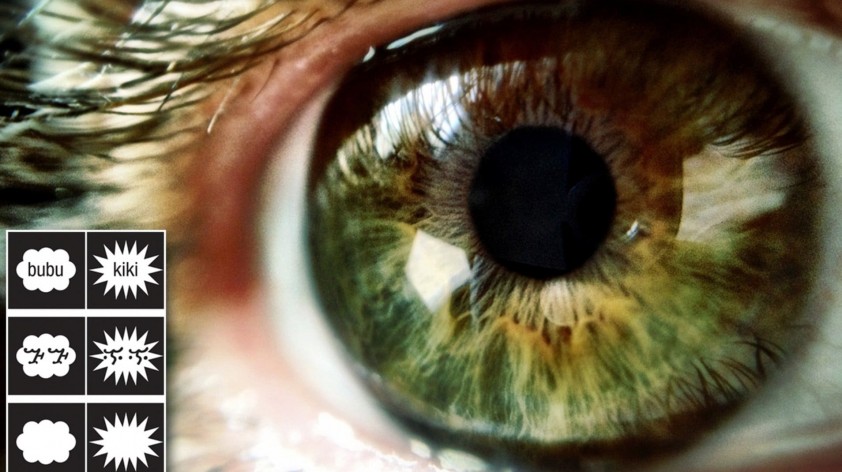
What shape do you think of when you hear the words Bouba and Kiki? Have you ever tried to communicate with someone who doesn’t speak your language? Exchanging frantic gestures and impossible-to-understand words as you both become more and more frustrated? It usually seems like an impossible situation. However, scientists who are interested to learn how sight and sound…
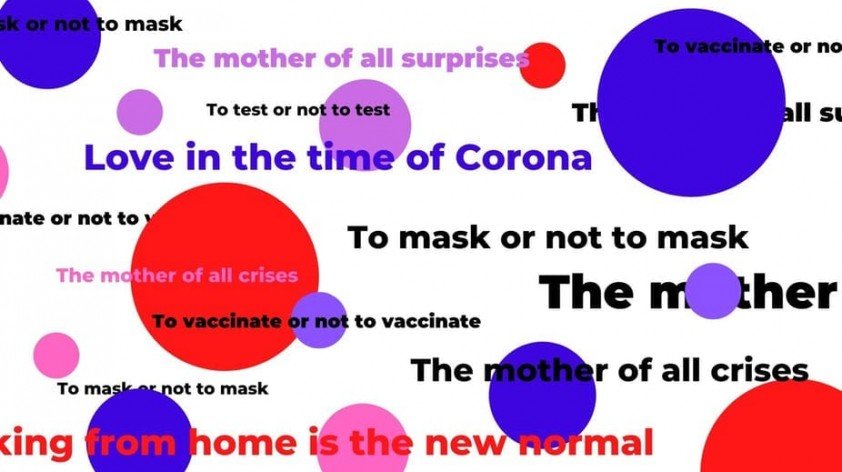
During the COVID-19 pandemic, we have seen an explosion of new words and phrases in English (for example, ‘covidiot’) and other languages, e.g. ‘Coronaspeck’ in German (to describe lockdown weight gain) that have helped us make sense of a period defined by social confusion and constant change, as well as global stagnation. The scope of language innovation in relation to…
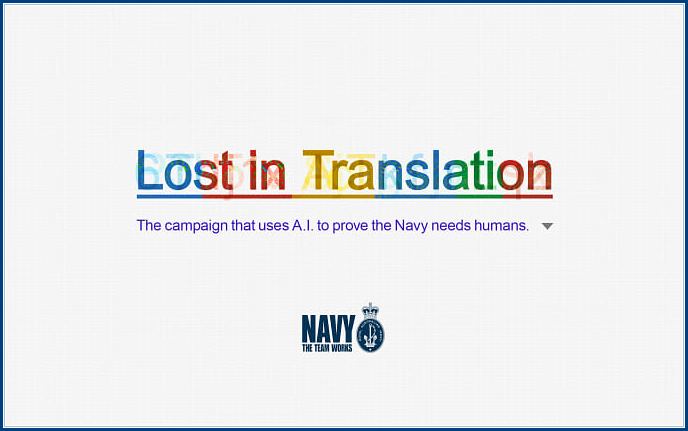
The Royal Australian Navy needed to recruit 40 Navy Cryptologic Linguists, a priority role whose primary duty is to intercept and translate foreign languages. To generate recruitment buzz, last year they launched a digital campaign that highlighted the need for human translators. Thus they began to enlist the help of Artificial Intelligence, the very technology most job seekers are fearful…
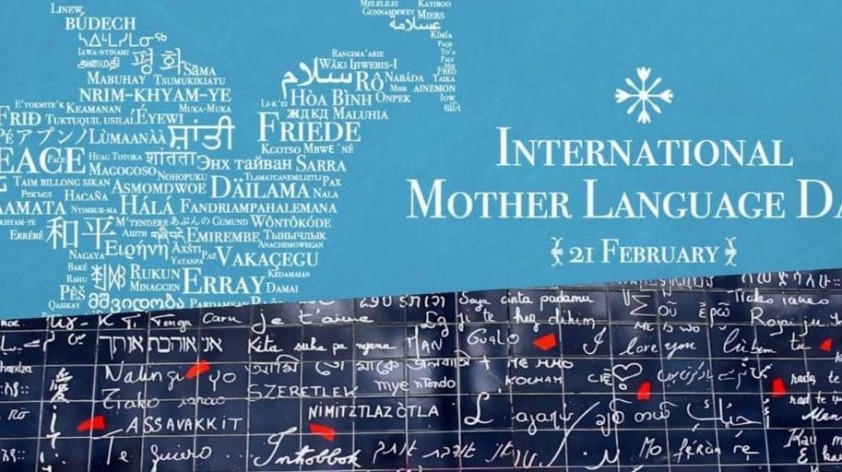
International Mother Language Day 21 February was announced by the UNESCO in 1999 to celebrate cultural diversity and to commemorate the “language martyr” experienced by students 1952 in Bangladesh. These students are now honoured by the encouragement of multiculturalism and the promotion of protective measures for endangered languages. It is hard to imagine the challenges faced by students who have…
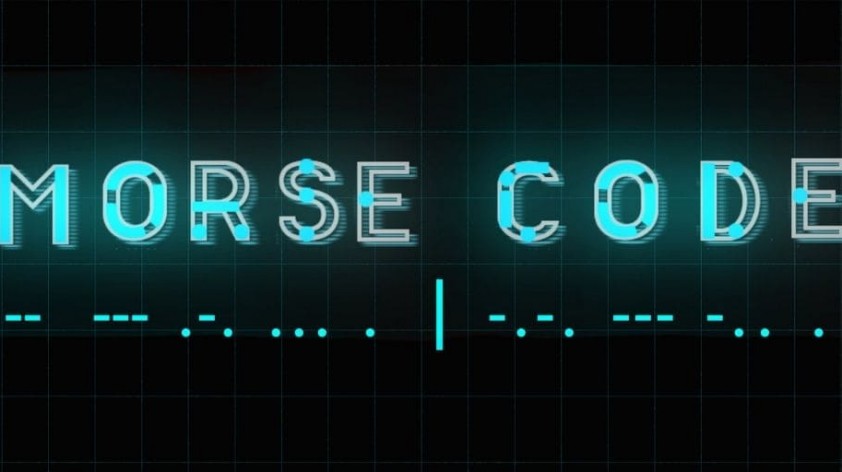
Samuel F. B. Morse invented his eponymous ‘Morse code’ as a way to communicate via a series of dots and dashes. This elegant system revolutionised communications back in the 1800’s. Under the code, every letter in the English language – along with most punctuation marks and each number from zero through nine – was given a unique, corresponding set of…
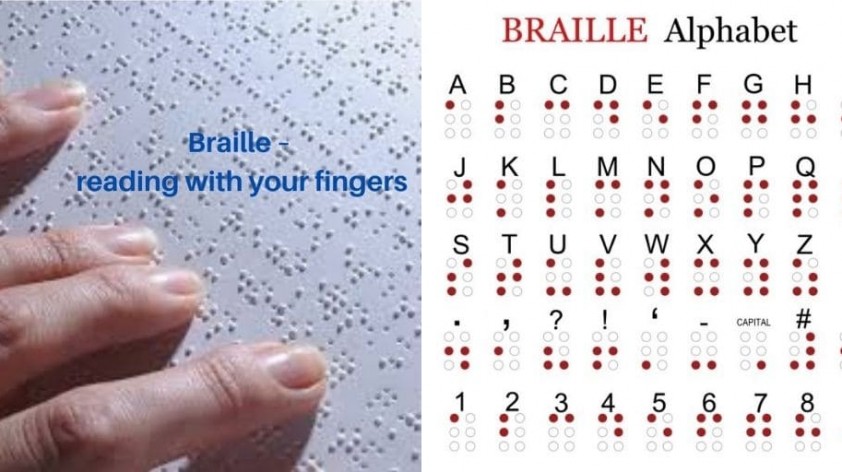
World Braille Day celebrates every year on 4 January the birth of Louis Braille, inventor of the touch reading and writing system used by millions of blind and partially sighted people all over the globe. Braille is a system of reading and writing for blind persons in which raised dots, in a series of 6 dots paired up in 3…
Do you see what I see? Languages don’t all have the same number of terms for colours. English has 11 basic colour words, while some languages have 12. Other languages lack many “colours” we know, while some cultures don’t use colours in the same way we do and rather distinguish colours by “hot” vs. “cold”, some by “wet” vs. “dry”,…
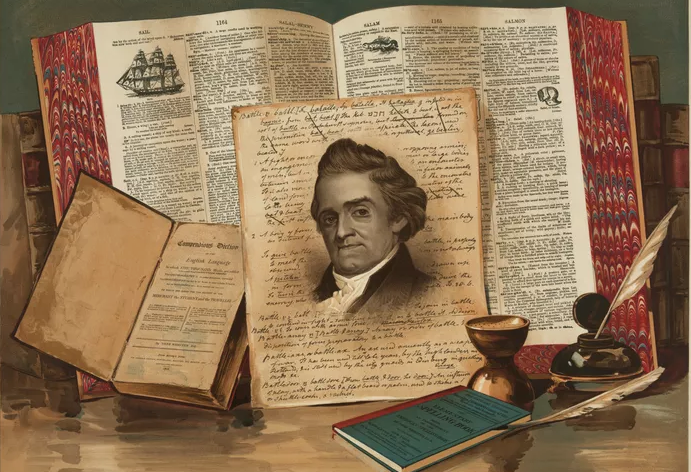
On National Dictionary Day on 16 October, America honours the birthday of Noah Webster, the word lover who thought Americans should have their own dictionary since all English-language dictionaries came from England. It’s a day to celebrate the power, practicality, and playfulness of language itself. There is indeed power in language, in the command of a broad vocabulary consisting of…